Overview

A High-Performance, High-Density Fibre Optic Solution

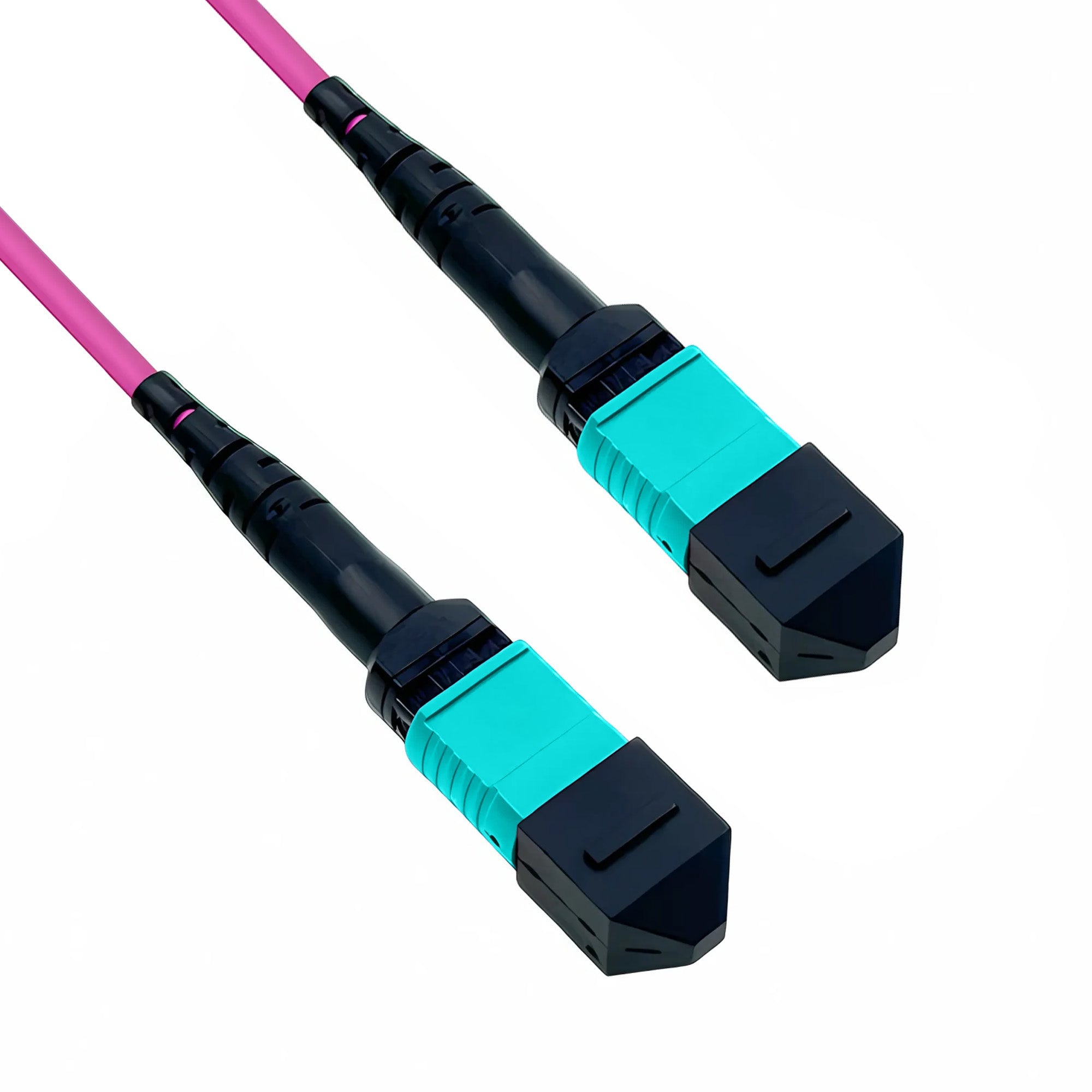
Our MPO-12 OM4 cables are designed to deliver top-notch performance and reliability in high-speed data centre and network environments. With a 12-fibre configuration, these cables are perfect for high-density connectivity, making cable management a breeze and maximising network capacity.

Key Features:

  • OM4 Multimode Fibre: Supports super-fast data transfer over shorter distances.
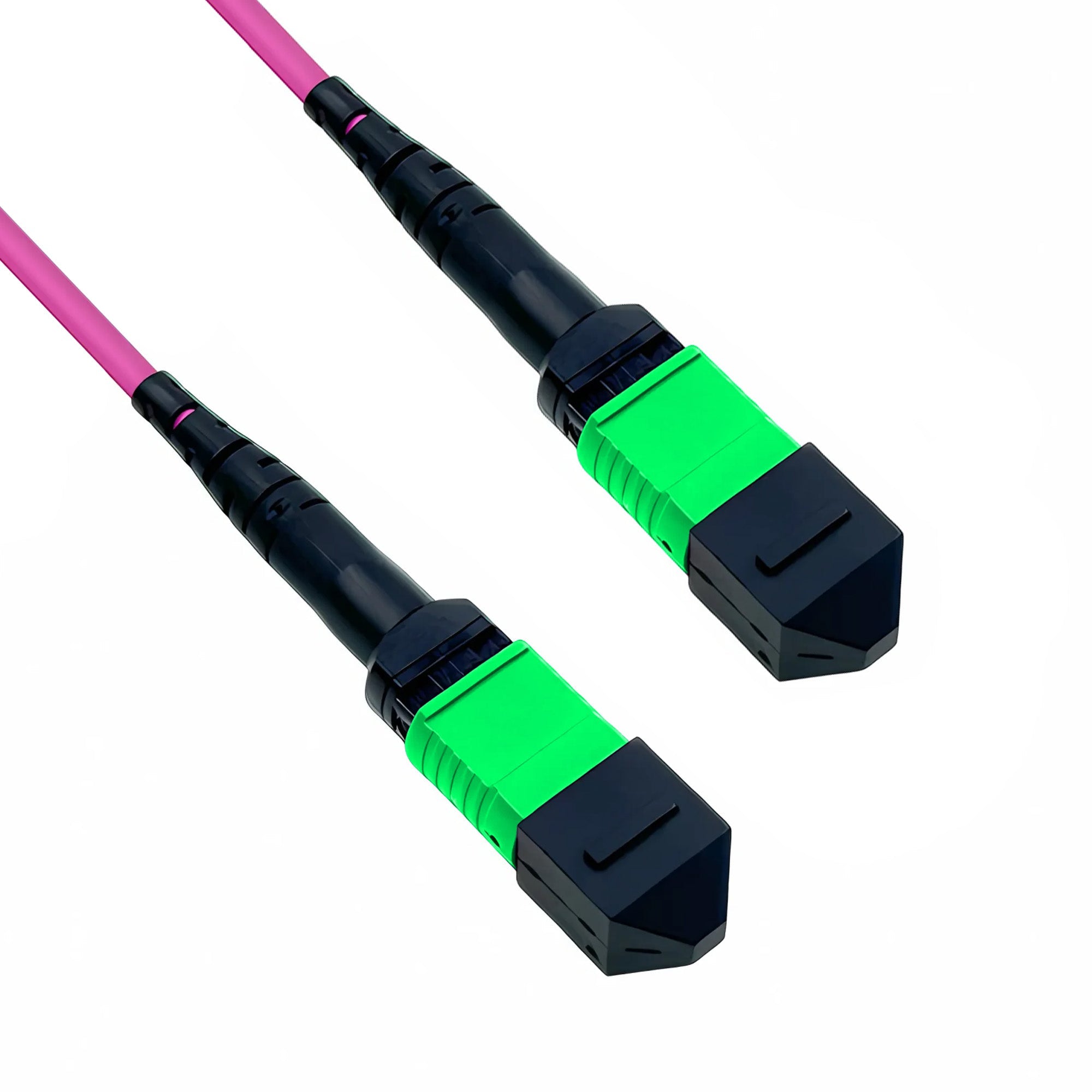
  • MPO-12 Connector: Provides high-density connectivity and easy termination.
  • Durable Construction: Built to last, ensuring reliable performance.
  • Low-Loss Design: Minimises signal degradation for optimal data transfer.

Applications:

  • Data Centre Interconnects: Connect high-density equipment racks and switches.
  • High-Speed Network Cabling: Support 10G, 40G, and 100G Ethernet applications.

Technical Specifications:

  • Fibre Type: OM4 Multimode Fibre
  • Connector Type: MPO-12
  • Cable Jacket: LSZH (Low Smoke Zero Halogen)
  • Fibre Polish: UPC or APC
  • Polarity: Type A or B
  • Housing: Standard with Ceramic Ferrule

    Standards Compliance:

    • IEC 61754-20
    • IEC 61300-3-4
    • IEC 11801
    • IEC 61304: Low Smoke
    • IEC 60754: Halogen & Corrosion Free
    • IEC 60332: Flame Retardant
    • TIA/EIA-568-C.3
    • Telcodia GR-1435-CORE
    • RCM Compliance (SDoC)

    Optical Performance:

    • Core/Cladding: 50/125µm
    • Wavelength: 850/1300nm
    • Max Attenuation: 2.4/0.6 (dB/km)
    • Bandwidth: 4700 Mhz/km
    • Insertion Loss: ≤ 0.3 dB
    • Optical Return Loss: -25 dB

      Environmental & Mechanical:

      • Operating Temperature: -40°C to 80°C
      • Storage Temperature: -40°C to 80°C
      CCD MPO - 12 Multimode OM4 Fibre Optic Cable - CCD Networking
      How long does shipping take?

      Orders can take 3-14 business days to arrive, depending on stock levels and your location.

      What is a Media Converter?

      A media converter is a networking device that converts one type of network media, such as copper network cabling, to another, such as fibre optic network cabling. This is often used to extend network distances or connect different network types.

      What is the difference between Single-Mode and Multi-Mode?

      Single-mode fibre uses a thin core to guide light in a single path, enabling long-distance, high-bandwidth transmissions. Multi-mode fibre, on the other hand, has a thicker core that allows multiple light paths to travel simultaneously. While this can increase bandwidth over shorter distances, it can also lead to signal distortion due to the different light paths arriving at different times. This makes multi-mode fibre more suitable for shorter-distance applications, while single-mode fibre is better suited for longer-distance transmissions.

      What is an SFP Module?

      An SFP module is a small, hot-swappable device that plugs into media converters, switches, network cards, and routers. It provides various connectivity options, such as fibre optic or copper connectors.

      What is the difference between Duplex and Simplex?

      Simplex Fiber: A single-lane road. Usually, data only travels one way, but "Bi-Di" technology allows two-way traffic on that one lane by using two different colors of light.

      Duplex Fiber: A two-lane road. Data travels both ways at once because there are two separate strands of glass—one for sending and one for receiving.

      What is PoE (Power Over Ethernet)?

      PoE technology transmits electrical power along with data signals over Ethernet cables, eliminating the need for separate power outlets and simplifying network installations, especially for devices like IP cameras and VoIP phones.

      What is the difference between Ethernet (Cat) cables?

      Ethernet categories (Cat5e, Cat6, Cat6a, etc.) define the speed and frequency the cable can handle. As the number increases, so does the performance.

      Need Help?